
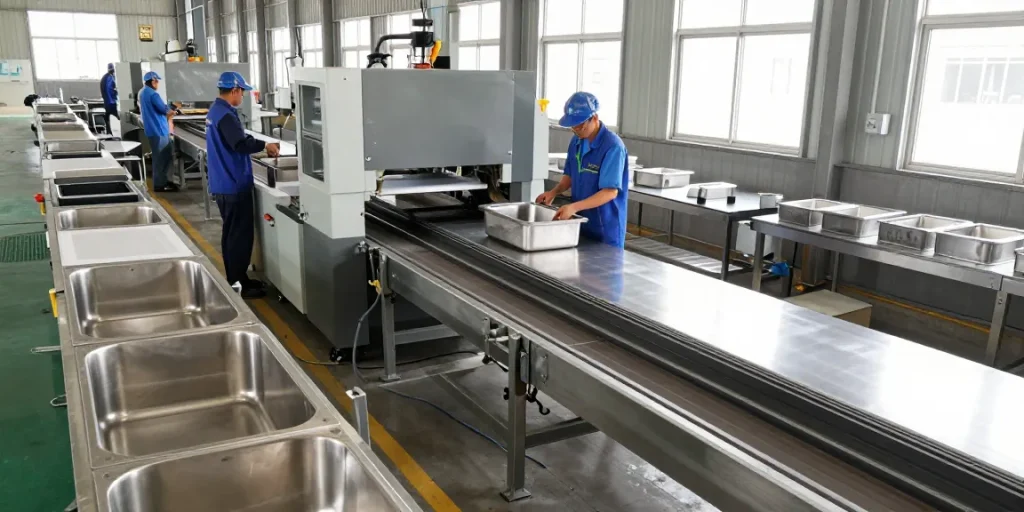
Understanding the Stainless Steel Basin Market Trends
The stainless steel basin market has witnessed significant growth driven by increasing consumer demand for durable and high-quality kitchen and bathroom fixtures. As more homeowners and businesses prioritize products that combine functionality with aesthetic appeal, understanding current trends becomes critical for manufacturers and suppliers in this sector. Exploring the landscape of a stainless steel basin factory can provide valuable insights into product offerings and market dynamics.
Current Industry Overview and Growth Projections
The global stainless steel basin market size was valued at approximately $2 billion in 2023, with projections estimating a compound annual growth rate (CAGR) of 5.4% from 2024 to 2026. The demand is bolstered by a shift toward eco-friendly materials and the growing trend of open-concept living spaces that require stylish yet practical kitchen designs.
Several factors are fueling this trend, including:
- Increased Construction Activity: The resurgence in residential and commercial construction projects is a major driving force, as stainless steel basins are favored for their durability and ease of maintenance.
- Consumer Awareness: An educated consumer base is increasingly aware of the advantages of stainless steel, such as resistance to stains, heat, and corrosion.
- Technological Advancements: Innovations in manufacturing processes are leading to higher quality products that can meet diverse design requirements, enhancing their appeal among designers and architects.
Key Players in the Stainless Steel Basin Sector
The stainless steel basin market is dominated by a handful of key players who set the standard for quality and innovation. Companies such as Elkay, Just Manufacturing, and BLANCO have been at the forefront, offering a wide range of products that cater to both residential and commercial markets. These manufacturers emphasize sustainability and customization to meet evolving consumer preferences.
Elkay’s commitment to craftsmanship, for example, includes a focus on eco-friendly production techniques that minimize waste. Just Manufacturing has established itself as a leader in providing flexible and customizable solutions that address specific client needs.
Consumer Preferences in Stainless Steel Products
In recent years, consumer preferences have shifted significantly, with an increasing number of buyers looking for stylish and functional products. Key trends include:
- Customization: Consumers desire bespoke solutions that fit their unique space and style. Manufacturers are responding with configurable basins that offer various sizes, styles, and finishes.
- Eco-Friendliness: There is a pronounced preference for products made from sustainable materials, driving manufacturers to prioritize eco-friendly manufacturing processes.
- Modern Aesthetics: Sleek, minimalist designs are in high demand, leading to a rise in stainless steel products that complement contemporary kitchen and bathroom decor.
Essential Manufacturing Techniques for Quality Control
Best Practices in Stainless Steel Fabrication
To produce high-quality stainless steel basins, manufacturers must adhere to best practices in the fabrication process. This includes selecting the right grade of stainless steel, typically 304 or 316, which offer superior corrosion resistance and durability. Quality fabrication techniques encompass:
- Precision Cutting: Using laser cutting technology ensures that materials are cut with high accuracy, minimizing waste and ensuring the precision of measurements.
- Welding Expertise: Skilled welders apply techniques that reinforce the structural integrity of the basin while maintaining a clean finish.
- Finishing Techniques: High-quality polishing techniques enhance the aesthetic appeal of the product while providing a protective layer that resists scratches and tarnishing.
Quality Assurance Measures in Factory Settings
Quality assurance is critical in manufacturing to maintain product standards and customer satisfaction. Key measures include:
- Regular Inspections: Implementing a rigorous inspection process at various stages of production helps identify issues early.
- Testing for Durability: Conducting stress tests on finished products ensures they can withstand real-world use.
- Feedback Loops: Establishing a system for gathering customer feedback allows manufacturers to continuously improve their product offerings.
Innovative Technologies in Manufacturing Processes
The integration of innovative technologies is revolutionizing the stainless steel basin manufacturing process. Some notable advancements include:
- Robotic Automation: Robotics play a crucial role in enhancing efficiency and precision, especially in tasks like welding and polishing.
- Smart Manufacturing: The Internet of Things (IoT) is enabling real-time monitoring of production processes, improving operational efficiency and reducing downtime.
- Advanced Design Software: CAD software innovations allow for more complex and customized designs, catering to specific consumer needs.
Efficient Supply Chain Management in Basin Production
Streamlining Material Sourcing and Logistics
Efficient supply chain management is essential for maintaining production schedules and controlling costs in the stainless steel basin industry. Manufacturers must focus on:
- Strategic Sourcing: Building relationships with reputable suppliers ensures access to quality raw materials while negotiating favorable terms.
- Logistical Efficiency: Implementing logistics strategies that reduce lead times and improve delivery accuracy can enhance overall operational efficiency.
Vendor Relationships and Negotiation Strategies
Strong vendor relationships are vital for securing high-quality materials at competitive prices. Manufacturers should:
- Regular Communication: Establish open lines of communication with suppliers to discuss needs, challenges, and opportunities for collaboration.
- Long-Term Contracts: Negotiating long-term contracts with suppliers can lead to better pricing and priority access to materials.
Reducing Waste and Optimizing Resources
Reducing waste is a key goal for modern manufacturers, as it directly impacts costs and sustainability. Effective strategies include:
- Recycling Scrap Material: Implementing processes to recycle scrap metal reduces waste and lowers material costs.
- Lean Manufacturing Principles: Adopting lean principles helps identify inefficiencies in production processes and fosters a culture of continuous improvement.
Case Studies of Successful Stainless Steel Basin Factories
Examining Industry Leaders and Their Practices
Many factories have set benchmarks through their innovative practices in the stainless steel basin sector. For instance, Elkay has successfully integrated green manufacturing processes that minimize environmental impact while enhancing product quality.
Another example is Just Manufacturing, which emphasizes customization and presents a model for integrating client feedback into product development.
Lessons Learned from Manufacturing Challenges
Challenges such as fluctuating raw material prices and supply chain disruptions have tested manufacturers’ resilience. Learning from these challenges has led to greater flexibility and agility in operations.
Benchmarking Performance Against Competitors
To remain competitive, companies regularly benchmark their performance against industry leaders. This includes evaluating production costs, product quality, and customer satisfaction rates, allowing them to identify areas for improvement.
Future Innovations in Stainless Steel Manufacturing
Emerging Trends to Watch in 2026
The stainless steel basin market is poised for further evolution with trends such as:
- Smart Products: The integration of technology into kitchen fixtures, allowing for features like touchless operation and integrated sensors.
- Personalization: Greater emphasis on bespoke solutions as consumers increasingly seek products tailored to their preferences and spaces.
Impact of Sustainable Practices on Production
Sustainability is reshaping the manufacturing landscape, compelling factories to adopt practices that are environmentally friendly. This includes using renewable energy sources, reducing carbon footprints, and implementing circular economy principles.
Adopting Automation in Manufacturing Processes
Automation will become a cornerstone of the stainless steel basin manufacturing process, enhancing precision and efficiency. As costs for automation technology decrease, more companies will likely invest in robotic solutions to improve productivity.
What are the benefits of stainless steel sinks?
Stainless steel sinks offer numerous benefits, including:
- Durability: Resistant to rust, corrosion, and staining, they are built to last, making them a popular choice.
- Style Versatility: Their sleek appearance fits well with various kitchen and bathroom designs.
- Easy Maintenance: They can be easily cleaned and maintained, ensuring they remain aesthetically pleasing over time.
What are the common challenges faced by stainless steel basin manufacturers?
Manufacturers often encounter challenges such as:
- Material Costs: Fluctuating prices for stainless steel affect profitability.
- Supply Chain Disruptions: Global events can impact the availability of raw materials.
How can quality control be maintained in production?
Maintaining quality control involves:
- Implementing Standard Operating Procedures: Clear guidelines help ensure consistent output.
- Investing in Training: Regular training for employees on quality standards and practices is essential.
What innovations are shaping the future of basin manufacturing?
Emerging technologies such as IoT and advanced manufacturing techniques are reshaping the industry, allowing for greater automation and efficiency.
How do consumer preferences influence stainless steel product designs?
Manufacturers must closely monitor consumer trends to adapt their product designs accordingly, ensuring they meet the evolving demands for functionality and style.