
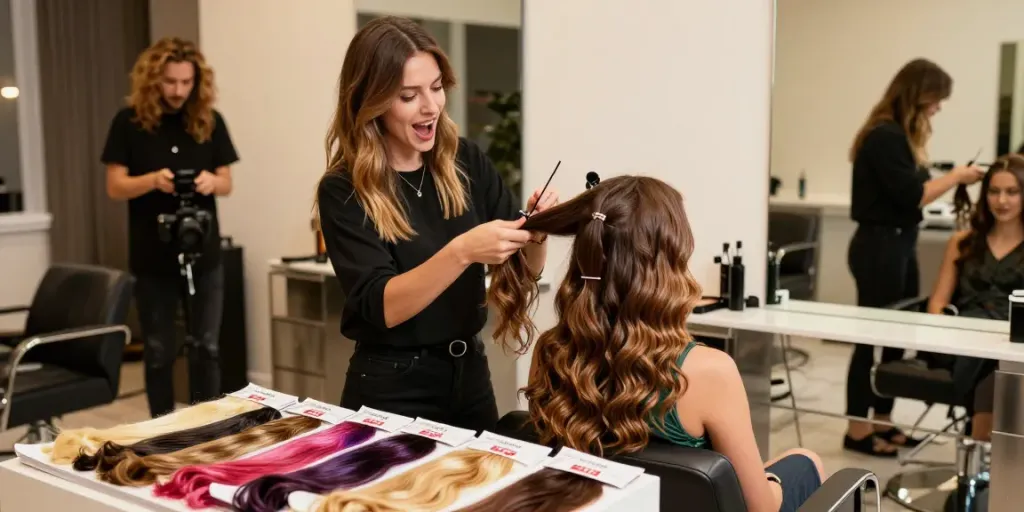
The Benefits of Sew In Hair Extensions
In the ever-evolving world of hair styling, sew in hair extensions have gained a prominent position as a versatile and glamorous option for those seeking to enhance their look. Whether you are aiming for added length, volume, or a splash of color, sew in extensions offer a range of benefits that cater to diverse hair goals. They provide not only an aesthetic transformation but also the freedom to express personal style through various textures and shades. With numerous techniques and options available, finding the perfect fit for your hair type can be both exciting and overwhelming.
When exploring options, sew in hair extensions provide comprehensive insights into high-quality products that promise durability and a natural look. This article will explore the many advantages of sew in extensions, discuss different types available, and offer guidance on application techniques, maintenance, and styling.
Why Choose Sew In Hair Extensions?
Sew in hair extensions are favored for their ability to blend seamlessly with natural hair. The primary reason many choose this method is the versatility it offers. Unlike clip-in extensions, which can be easily removed, sew ins are securely attached to the natural hair, allowing for a more permanent solution that can last weeks or even months with proper care. This method not only provides a comfortable fit but also prevents the extensions from slipping out during daily activities.
- Durability: Sew in extensions can withstand daily wear, making them ideal for those with active lifestyles.
- Customizable: They can be personalized in terms of length, color, and volume to match one’s unique style.
- Protective Style: This method allows for the natural hair to be protected from heat and environmental damage.
Longevity: How Long Do Sew In Extensions Last?
The longevity of sew in hair extensions largely depends on the method of application, quality of the hair used, and the maintenance routine. Typically, sew in extensions can last anywhere from 6 to 12 weeks, provided they are re-tightened and cared for properly. Factors such as hair texture, lifestyle, and even climate can influence their lifespan.
For instance, individuals with finer hair may need to tend to their extensions more frequently, while those with coarser textures might find their extensions remain intact longer. Regular salon visits for maintenance can help ensure they stay looking fresh and beautiful.
Cost Analysis: Pricing and Value of Sew In Extensions
The cost of sew in hair extensions varies based on several factors, including hair quality, length, and installation method. On average, customers can expect to invest between $200 to $800 for a full sew-in installation, with premium products costing more. However, many find the long-term benefits and the decreased need for styling products and heat make the investment worthwhile.
Additionally, opting for high-quality extensions, such as 100% Remy human hair, can significantly enhance the overall appearance and longevity, ultimately providing better value over cheaper alternatives that may require more frequent replacements.
Types of Sew In Hair Extensions
Understanding the different types of sew in hair extensions can help you choose the right option for your hair needs. The two main categories are machine wefts and hand-tied wefts, each offering unique characteristics and advantages.
Machine Weft vs. Hand-Tied Sew In Extensions
Machine wefts are created using a sewing machine, which allows for a more uniform width and a denser design. They are generally thicker and more durable, making them suitable for those seeking volume and a quicker application process. Conversely, hand-tied wefts are made by hand, resulting in a lighter and flatter extension that provides a more natural look. This is ideal for those with finer hair types that require a seamless blend.
Choosing the Right Hair Type for Sew Ins
There are various hair types to consider for sew in extensions, including Remy human hair, synthetic hair, and virgin hair. Remy hair is considered the best option due to its cuticle intact nature, which ensures a natural look and feel. It can be styled just like natural hair, offering versatility in color and treatment options. Synthetic hair, while more affordable, lacks the ability to withstand heat styling and may not last as long as human hair options.
Color and Texture Options Available
When selecting sew in hair extensions, color and texture options are abundant. Extensions can be found in a variety of shades, textures, and lengths to match any individual’s needs. From straight to wavy to curly, choosing the right texture is crucial for ensuring a seamless blend with natural hair. Additionally, many brands offer ombre and balayage options, allowing for sophisticated color transitions without the commitment of dyeing natural hair.
Application Techniques for Sew In Hair Extensions
The application process for sew in extensions can vary based on personal preference and hair type. Learning the proper techniques can significantly impact the results and overall experience.
Step-by-Step Guide to Sew In Extensions
- Preparation: Start by washing and conditioning your natural hair. Ensure it is completely dry before applying extensions.
- Sectioning: Divide the hair into sections, using clips to hold the top layers out of the way.
- Sewing: Begin applying the wefts at the nape of the neck, sewing in a straight line using a curved needle and strong thread.
- Blending: Once all wefts are in place, blend them with your natural hair using scissors for layering.
Common Mistakes to Avoid During Application
While applying sew in extensions, certain mistakes can detract from the desired outcome. Common pitfalls include:
- Overlapping Wefts: This can create bulkiness and discomfort.
- Incorrect Tension: Too much tension can cause breakage, while not enough may lead to slipping.
- Skipping Maintenance: Regular checks and tightening are crucial for keeping extensions looking perfect.
Aftercare Tips for Sew In Extensions
After installing sew in extensions, proper care is essential to ensure they remain healthy and look their best. Here are some tips for aftercare:
- Use sulfate-free shampoos and conditioners to maintain moisture.
- Avoid excessive heat styling to prevent damage.
- Schedule regular touch-ups every 6-8 weeks to maintain the integrity of the sew-in.
Styling and Maintenance of Sew In Hair Extensions
Maintaining sew in hair extensions is crucial for keeping them looking fresh and vibrant. Implementing the right maintenance routine can extend their lifespan and enhance their appearance.
Best Products for Sew In Extensions Maintenance
Investing in high-quality hair care products specifically designed for extensions can make a significant difference. Look for:
- Moisturizing shampoos and conditioners to nourish the extensions.
- Leave-in conditioners and detanglers to help manage knots and tangles.
- Heat protectants to shield against styling tools.
How to Style Your Sew In Extensions
Sew in extensions can be styled in various ways, allowing you to express your personality. Common styling options include:
- Waves: Use a curling wand to create soft waves.
- Straightening: A flat iron can help achieve a sleek, polished look.
- Updos: Extensions can easily be styled into elegant updos for special occasions.
Scheduling Touch-Ups: Know When to Visit Your Stylist
Knowing when to schedule your next visit to the salon is crucial for maintaining your sew in extensions. Generally, plan for touch-ups every 6-8 weeks to keep the extensions secure and looking fresh. This is also an ideal time for any necessary adjustments or to switch to a new color or style.
Trends in Sew In Hair Extensions for 2026
As trends evolve, sew in hair extensions continue to adapt, offering new techniques and styles. Staying informed about the latest trends can help you make the best choices for your hair.
Innovative Techniques in Hair Extension Application
The latest techniques include hybrid methods that combine machine wefts and hand-tied installations to create a seamless look with added volume. This innovation allows for customization and flexibility while minimizing damage to natural hair.
Popular Styles and Looks for the Upcoming Year
In 2026, expect to see a rise in natural-looking extensions that emphasize texture, volume, and movement. Styles that focus on integrating subtle highlights and lowlights will also gain popularity, enhancing the overall dimensional effect of the hair.
Future Developments in Hair Extension Materials
As technology advances, new materials that mimic the look and feel of natural hair are being developed. Expect to see extensions that offer improved durability, lower maintenance requirements, and enhanced styling versatility.
What Are the Downsides of Sew In Hair Extensions?
While sew in hair extensions offer numerous benefits, they do come with some potential downsides. These may include:
- Initial discomfort during the application process.
- Possible damage to natural hair if not applied or maintained correctly.
- The need for regular maintenance to keep them looking fresh.
What Are the Best Sew In Hair Extensions?
The best sew in hair extensions are those made from high-quality, 100% Remy human hair, which blends well with natural hair and allows for styling versatility. Look for reputable brands that provide detailed information about the origin and quality of their hair to ensure a satisfactory purchase.
How Much Do Sew In Hair Extensions Cost?
The cost of sew in hair extensions can range significantly based on factors like hair quality, length, and salon prices. It’s important to budget for both the initial installation as well as ongoing maintenance costs to keep your extensions looking their best.