Understanding 18000 BTU Mini Split Systems
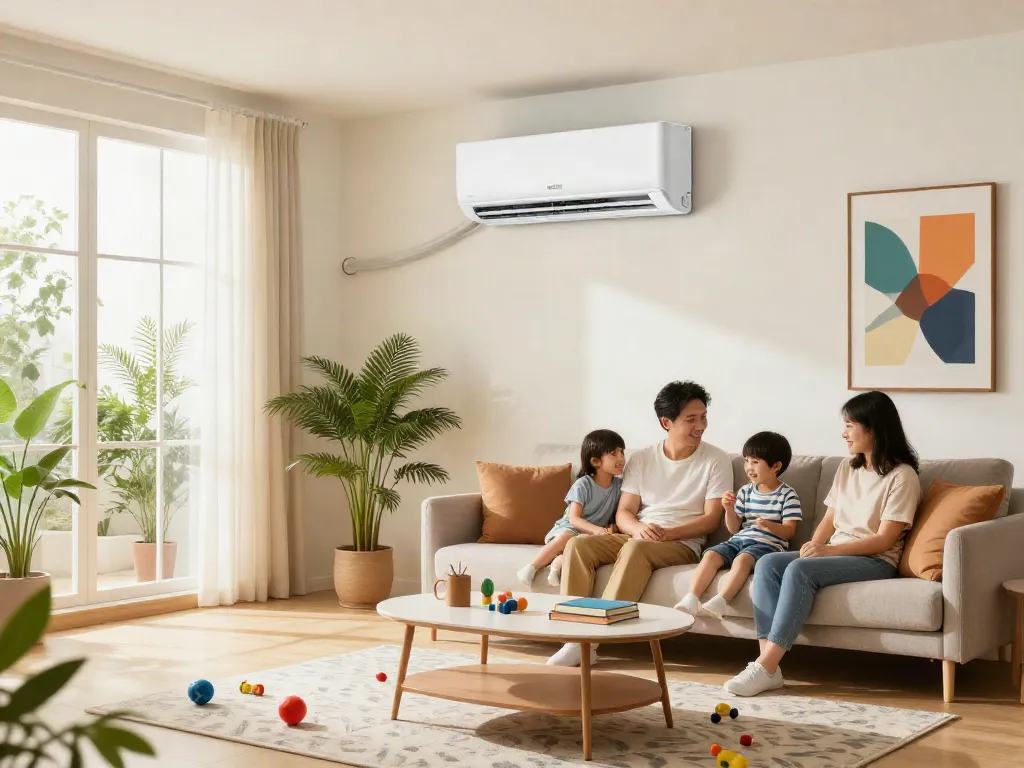
The increasing demand for efficient heating and cooling solutions has led many homeowners to consider the benefits of mini split systems, particularly the 18000 BTU mini split. This powerful air conditioning unit offers a versatile option for temperature control in residential spaces, delivering a robust performance that meets the needs of various room sizes. 18000 btu mini split systems are designed to provide an effective balance of comfort, efficiency, and flexibility, making them an excellent choice for those seeking to enhance their indoor climate.
What is an 18000 BTU Mini Split System?
An 18000 BTU mini split system is a type of ductless air conditioning unit that operates on a heat pump system, allowing both heating and cooling functionalities. The term "BTU" stands for British Thermal Units, which quantifies the amount of heat required to raise the temperature of one pound of water by one degree Fahrenheit. With a cooling capacity of 18000 BTU, these systems are typically capable of efficiently cooling or heating spaces ranging from approximately 800 to 1250 square feet, depending on factors such as insulation, ceiling height, and the outdoor climate.
Key Features of 18000 BTU Mini Split Units
- Ductless Design: This allows for easier installation and reduced energy loss compared to traditional ducted systems.
- Energy Efficiency: Many models feature high SEER (Seasonal Energy Efficiency Ratio) ratings, reducing energy consumption.
- Dual Functionality: The heat pump capability enables year-round climate control.
- Quiet Operation: Mini splits generally operate more quietly than conventional systems, enhancing indoor comfort.
- Flexible Installation: They can be installed in various configurations, including wall-mounted, ceiling-mounted, or floor-mounted options.
Benefits of Ductless Mini Splits for Homeowners
Opting for an 18000 BTU mini split system offers numerous advantages for homeowners:
- Enhanced Comfort: Precise temperature control tailored to specific rooms or areas of the home.
- Cost Savings: Lower energy bills due to high efficiency and zoned heating/cooling capabilities.
- Improved Air Quality: Filtration systems in mini splits can reduce allergens and pollutants indoors.
- Reduced Installation Costs: No ductwork means lower installation fees and fewer structural changes.
Choosing the Right Mini Split for Your Space
How to Determine the Correct BTU for Your Room Size
When selecting a mini split system, determining the appropriate BTU rating is crucial to ensure optimal performance. The general rule of thumb is to allocate 20 BTUs per square foot of living space. For example, a room measuring 900 square feet would require around 18,000 BTUs. However, additional factors such as ceiling height, room occupancy, and insulation quality must also be considered to achieve the best results.
Common Misconceptions About Mini Split Systems
Despite their growing popularity, several misconceptions about mini split systems persist. One common belief is that they are unsuitable for colder climates. In reality, many modern mini splits are designed to operate efficiently even in low temperatures, thanks to advanced inverter technology. Another misconception is that mini splits are noisy; however, noise levels have dramatically decreased with technological advancements in recent models.
Comparing Different Brands and Models
When exploring the market for an 18000 BTU mini split, it’s essential to compare various brands and models. Factors to consider include:
- Energy efficiency ratings (SEER and HSPF)
- Warranty and customer service support
- Additional features like Wi-Fi connectivity or smartphone compatibility
- Installation requirements and cost estimates
Installation Best Practices for 18000 BTU Mini Splits
Professional vs. DIY Installation: What You Need to Know
While DIY installation can save costs, hiring a professional may ensure optimal performance and longevity of your 18000 BTU mini split system. Professionals are trained to assess your space accurately, handle refrigerants safely, and ensure compliance with local codes. DIY enthusiasts should carefully follow manufacturers' guidelines, as improper installation can lead to efficiency losses and potential system damage.
Essential Tools for Installing a Mini Split
If you choose to proceed with DIY installation, several tools are essential:
- Stud finder
- Drill and drill bits
- Level
- Refrigerant gauge set
- Wrench set
Common Installation Mistakes to Avoid
Several frequent missteps can hinder the performance of your mini split system:
- Improper placement that decreases airflow or efficiency
- Failing to insulate refrigerant lines adequately
- Ignoring building codes or local regulations
Maintenance Tips for Longevity and Efficiency
Regular Maintenance Tasks for Mini Split Systems
To keep your 18000 BTU mini split running smoothly, regular maintenance is imperative. Key tasks include:
- Cleaning or replacing air filters every 1-3 months
- Inspecting and cleaning indoor and outdoor coils
- Checking refrigerant levels and leak testing
How to Troubleshoot Common Issues
Common problems such as inconsistent cooling, unusual noises, or leaking can often be resolved with simple troubleshooting:
- Check filter cleanliness and replace if necessary.
- Ensure there are no blockages around the outdoor unit.
- Listen for unusual sounds that may indicate mechanical issues.
Signs Your Mini Split Needs Professional Attention
While some minor issues can be addressed independently, certain signs indicate that professional service is necessary:
- Failure to cool or heat effectively despite clean filters.
- Leaking refrigerant or water.
- Persistent noise or rattling sounds during operation.
Future Trends for Mini Split Technology in 2026
Innovative Features to Look for in New Models
As technology advances, the 18000 BTU mini split systems of the future will likely showcase innovative features, including enhanced smart home integration, voice control capabilities, and improved energy management systems. These advancements are designed to provide users with more control and convenience over their home climate.
Sustainability and Energy Efficiency Developments
The trend towards sustainability is impacting the HVAC industry significantly. Future mini splits are expected to adopt eco-friendly refrigerants with lower Global Warming Potential (GWP) and comply with stringent energy efficiency regulations, benefiting both the environment and consumers’ wallets.
Impact of Smart Home Integration on Mini Splits
Smart home technology is set to revolutionize how homeowners interact with their heating and cooling systems. Expect to see features like remote monitoring, scheduling capabilities, and energy usage insights, all accessible via smartphone applications, creating a more user-friendly experience.
What are the typical running costs of an 18000 BTU mini split?
The running costs of an 18000 BTU mini split vary based on factors like energy rates and usage patterns. On average, homeowners can expect their monthly electricity bills to increase by $100-$150 during peak usage months.
Can you install an 18000 BTU mini split yourself?
Yes, while DIY installation is possible, it requires technical knowledge and experience. Professional installation, however, ensures that the system operates efficiently and safely.
How do 18000 BTU mini splits compare with traditional HVAC systems?
18000 BTU mini splits offer localized temperature control, reduced energy consumption, and flexibility in installation compared to traditional HVAC systems, which rely on ductwork and often have higher energy losses.
What maintenance is required for a mini split system?
Regular maintenance tasks include cleaning filters, inspecting coils, and checking refrigerant levels to ensure efficiency and longevity.
Are there any rebates for upgrading to an energy-efficient mini split?
Many utility companies offer rebates for upgrading to energy-efficient systems, including mini splits. Homeowners should check local programs and incentives for potential savings.