
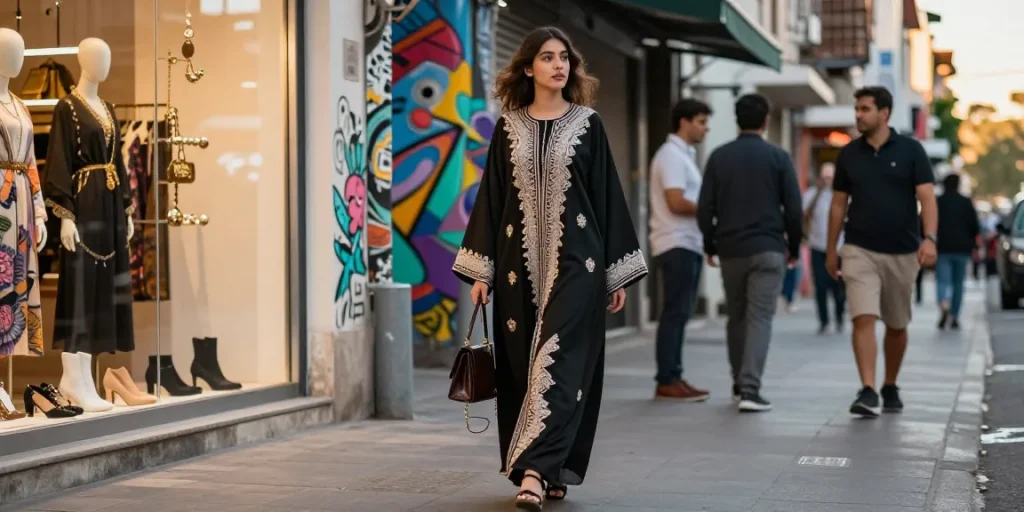
Understanding the Abaya: A Cultural Perspective
The Abaya is more than just a garment; it represents cultural heritage, identity, and fashion all rolled into one. Traditionally worn by women in the Middle East, the abaya serves as a symbol of modesty across various cultures. From its basic design to the intricate embellishments seen today, the abaya continues to evolve while remaining true to its roots. Understanding its significance helps appreciate the artistry and craftsmanship that goes into creating each piece.
What is an Abaya?
An abaya is a loose-fitting, full-length outer garment traditionally worn by women, primarily in the Arab world. It is usually made from lightweight fabrics that provide comfort while ensuring modesty. Often designed in various colors, the abaya can be adorned with beautiful embroidery, sequins, or lace, transforming it into a statement piece for any occasion. What sets it apart is its versatility; it can be worn casually or dressed up with accessories for formal events.
The Historical Significance of Abayas
The origins of the abaya can be traced back to the pre-Islamic era, evolving significantly over centuries. Initially, it served practical purposes for protection against the harsh desert climate. With the advent of Islam, the abaya became more about modesty and privacy, reflecting Islamic values. Over time, it has been embraced not just in Muslim-majority countries but also by women worldwide, transcending its initial cultural boundaries.
Cultural Variations in Abaya Styles
Today, there are numerous styles of abayas that reflect the diverse cultures and traditions of the regions where they are worn. For example, the Emirati style often includes intricate embroidery and embellishments, while the Saudi abaya is typically more understated and conservative. In contrast, modern interpretations from designers incorporate innovative cuts, patterns, and materials, catering to a younger, fashion-forward audience. This cultural blend allows women to express their identity while embracing contemporary trends.
Fashion Trends: The Evolution of Abayas in 2026
The year 2026 marks a notable shift in abaya fashion, combining traditional aesthetics with modern sensibilities. Designers are increasingly experimenting with innovative designs and sustainable materials, aiming to appeal to a broader demographic of women. This evolution highlights the growing importance of fashion in the realm of cultural attire and the desire for individual expression.
Current Design Trends and Innovations
In 2026, one of the most prominent trends is the incorporation of asymmetry in abaya designs. Fashion-forward designers are moving away from traditional straight-cut silhouettes to more dynamic forms that play with shapes and lengths. This shift not only adds an element of surprise but also allows for personalization, making each piece unique. Moreover, the fusion of Western fashion elements, such as layering and draping, is harmoniously blended with traditional styles, enhancing the versatility of the abaya.
Popular Fabrics and Materials for Modern Abayas
Modern abayas are no longer limited to basic fabrics. In 2026, you’ll see an array of luxurious materials such as satin, chiffon, and even innovative textiles that incorporate technology for breathability and comfort. Sustainable fabrics are also becoming a priority, reflecting a growing awareness of environmental concerns among consumers. This trend not only promotes eco-friendliness but also offers women a choice to wear stylish, yet responsibly made garments.
Color Trends and Styles to Watch This Year
This year, color palettes are shifting from traditional blacks and dark hues to vibrant shades and pastels. Rich jewel tones, earthy colors, and subtle tones like blush and mint are making their way into abaya collections. These colors provide a fresh take, allowing women to showcase their personalities through their attire. Furthermore, patterns such as florals and geometric prints are gaining traction, adding life and dynamism to traditional styles.
Styling Your Abaya: Tips for Every Occasion
Styling an abaya can be as creative as one wishes. Whether for casual outings, formal events, or festive celebrations, the abaya offers endless possibilities for fashion expression. Here are some tips to maximize style potential for every occasion.
Casual Looks for Everyday Wear
For everyday wear, consider pairing your abaya with comfortable shoes like sandals or sneakers for a relaxed look. Opt for lightweight fabrics that provide both comfort and breathability. Accessories such as minimalistic jewelry and spacious tote bags can complete the outfit without overwhelming the simplicity of the abaya. Choosing solid colors or subtle prints can also keep the look chic and understated.
Elegant Abaya Styles for Formal Events
For formal occasions, select an abaya with embellishments or intricate designs. Fabrics like silk or velvet can elevate the look, making it suitable for weddings and formal gatherings. Pair your abaya with high heels and a statement clutch to keep the outfit polished. Don’t hesitate to use bold accessories, such as statement earrings or a stunning necklace, to draw attention to your look, ensuring you stand out at any event.
Accessorizing Abayas: Jewelry and Footwear Choices
Accessorizing an abaya can dramatically change its overall appearance. When choosing jewelry, consider pieces that complement your outfit without overpowering it. Delicate chains or stud earrings work well for casual looks, while bold statement pieces can enhance formal styles. Footwear is equally essential; opt for embellished sandals or elegant heels. Additionally, consider the color palette of your accessories to create a cohesive look.
Purchasing the Perfect Abaya: A Buying Guide
Buying an abaya can be a delightful experience, but understanding the features that matter most is crucial. Whether shopping online or in-store, being informed will lead to an ideal purchase.
Choosing the Right Fit and Size
When selecting an abaya, fit is essential. Consider how the abaya drapes over your body shape; it should be loose yet flattering. Pay attention to the length, as it can vary dramatically among styles. Most abayas should reach your ankles, but some styles might be designed to fall mid-calf. If shopping online, ensure to consult the sizing charts provided by retailers. Additionally, it’s often beneficial to read customer reviews to get an idea of the fit and comfort.
Where to Buy: Online vs In-Store
Deciding between online shopping and in-store visits depends on personal preferences. Online stores offer a vast selection, allowing you to explore diverse designs and brands from the comfort of your home. However, in-store shopping provides the advantage of trying on garments for precise fit and feel before purchasing. Many customers find a hybrid approach satisfying—researching online and then visiting stores for final purchases.
Understanding Price Points and Quality Indicators
Prices for abayas can vary widely based on design, fabric, and craftsmanship. Typically, a well-made abaya will range from affordable brands to high-end designer pieces. When assessing quality, look for fine stitching, quality fabric, and unique design elements. Remember, investing in a high-quality abaya can yield long-term value, as it often withstands trends and wears well over time.
Future of Abayas: Trends and Innovations Ahead
As we look beyond 2026, the future of abayas appears bright, with trends evolving to meet the dynamic desires of modern women. Innovations in fabric and design will continue to play a significant role in shaping the next generation of abayas.
Technological Advances in Fabric and Design
With technological advancements, the fabric used for abayas is becoming more functional and stylish. Innovations such as moisture-wicking and stain-resistant fabrics are increasingly commonplace, making abayas more practical for everyday wear. Smart textiles may also make an appearance, integrating features that adapt to temperature or change color, further enhancing the user experience.
Rising Brands to Watch in the Abaya Market
The market is teeming with emerging brands that focus on quality and contemporary designs. Several up-and-coming designers are redefining what an abaya can be, introducing collections that fuse traditional elements with modern aesthetics. Keeping an eye on these brands can lead you to distinctive pieces that resonate with personal style while supporting new talent in the industry.
Sustainable Fashion Practices in Abaya Production
The growing emphasis on sustainability is also reflected in the abaya market. More brands are adopting eco-friendly practices, ensuring that their production processes are ethically responsible. Initiatives such as using organic materials, minimizing waste, and adopting fair labor practices are becoming essential components of abaya production. As consumers grow more conscious of their environmental impact, these sustainable options are likely to gain even more popularity.
What styles of abayas are trending now?
As of 2026, trending abaya styles include oversized cuts, asymmetrical designs, and vibrant color palettes. Many designers are experimenting with mixed fabrics, combining textures like chiffon and jersey for added depth. Layering with complementary pieces, such as kimonos or long cardigans, is also gaining popularity.
How to choose the right abaya for your body type?
When choosing an abaya, consider your body type. Hourglass figures typically benefit from fitted styles that highlight curves, while A-line designs flatter pear-shaped bodies by providing balance. For athletic body types, opting for draped or embellished pieces can add femininity, whereas straight silhouettes can be ideal for petite frames.
What accessories complement an abaya best?
Complementing an abaya with accessories involves balancing elegance with simplicity. Scarves, belts, and handbags can add personality to your look. Choosing coordinated colors can unify the ensemble, while contrasting colors can provide a pop. Don’t forget about footwear; elegant heels or embellished flats can complete your look beautifully.
Are there sustainable options for purchasing abayas?
Yes, many brands are increasingly focused on sustainability, offering abayas made from eco-friendly materials and ethical production practices. Researching brands that prioritize sustainability allows you to make informed choices, aligning your purchases with your values.
How to care for and maintain your abaya?
Caring for your abaya depends on the fabric; always check care labels before washing. For delicate fabrics, hand washing or dry cleaning may be necessary. Regularly ironing or steaming can help maintain its shape and remove wrinkles. Storing your abaya in a cool, dry place prevents damage from humidity and preserves its beauty over time.